RISKNOWLOGY ARTICLES

 safety   All 

Error Detecting Codes

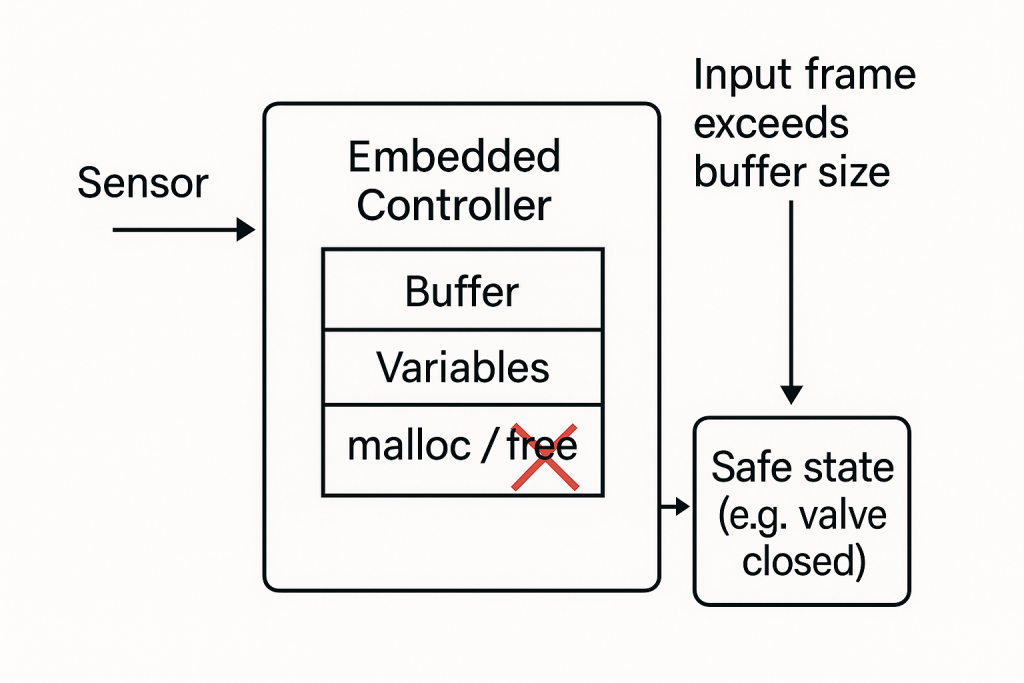
Error detecting codes (e.g., CRC, Hamming, checksums) add redundancy to digital data so errors from noise, hardware faults, or software issues can be caught before they trigger unsafe actions. In functional safety, the goal is not correction but detection and safe reaction—discarding bad data instead of guessing. This prevents systematic failures and ensures controllers act only on valid, verified information.

Fault Detection

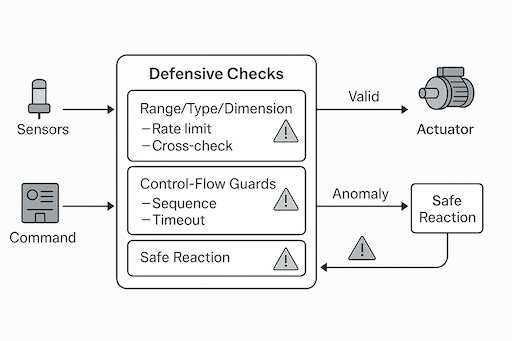
Fault detection ensures failures are identified before they escalate into hazards. By monitoring signals, states, or behaviors, systems can spot anomalies early and trigger a safe reaction. In functional safety, this prevents systematic failures from propagating and ensures random hardware faults are handled promptly, keeping the safety function reliable and trustworthy.

Backward traceability safety requirements

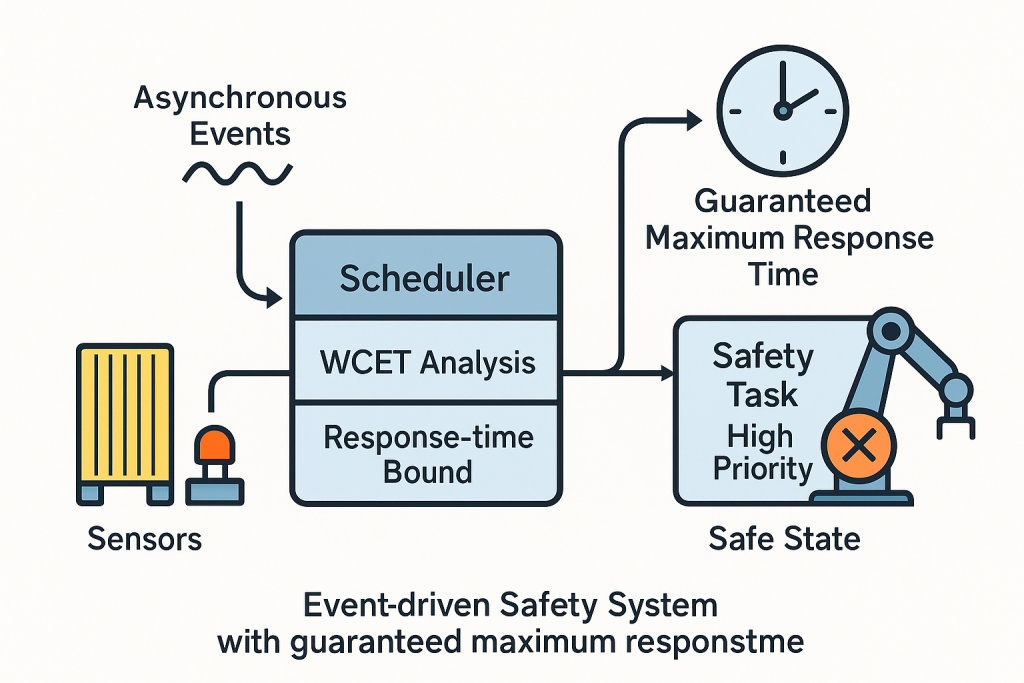
Backward traceability safety requirements ensures that every detailed requirement, design, or test can be traced back to a higher-level safety requirement or need. It prevents floating requirements, avoids gold-plating, and provides strong evidence of systematic failure control for #SIL and #61508 compliance.

Forward traceability safety requirements

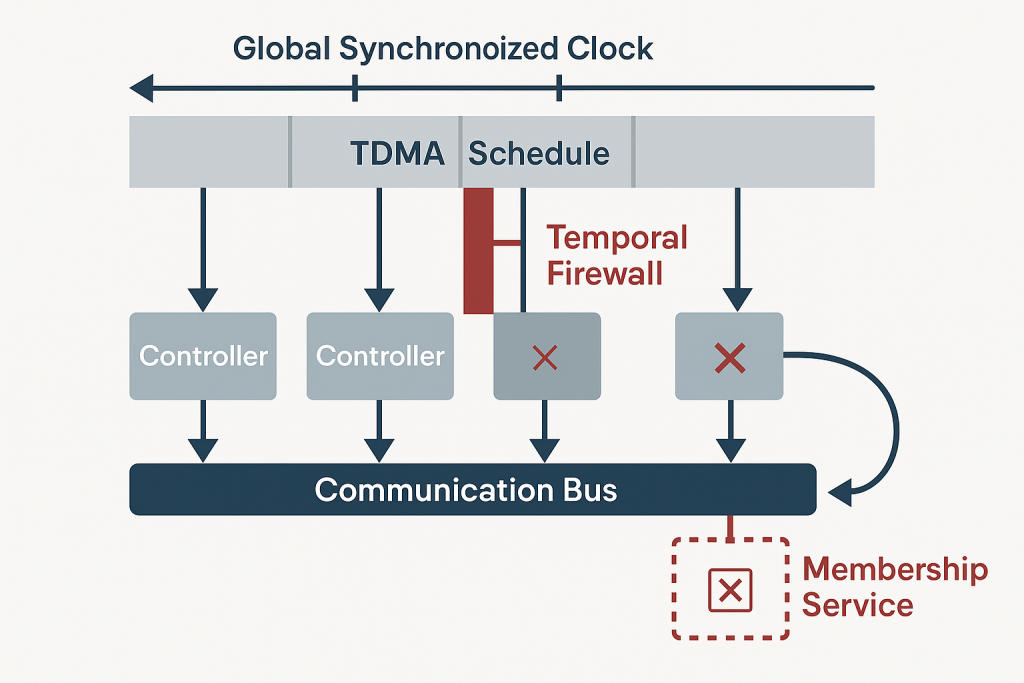
Forward traceability safety requirements ensures that every high-level safety requirement is implemented in lower-level specifications, designs, and tests. It prevents floating requirements, supports change impact analysis, and provides audit-ready evidence for #SIL and #61508 compliance.

Job Safety Analysis (JSA): From Compliance to Culture Transformation

Discover how Job Safety Analysis (JSA) can transform your workplace safety culture. In this comprehensive guide, we explore the JSA process step-by-step, provide practical examples and templates, highlight its benefits and challenges, and show how a proactive approach can drive real change. Safety starts with smart planning — and Risknowlogy is here to help you lead the way.

Certified Specialist: Why We Use This Title

The title "Certified Specialist" is used by Risknowlogy to recognize individuals who successfully complete our theory-based training and pass a certification exam. Unlike terms such as "Engineer" or "Professional," which can imply degrees or job roles, "Certified Specialist" accurately reflects demonstrated knowledge of risk, safety, and reliability topics.

The Markov Technique in Risk, Reliability, and Safety

Safety and reliability analysis often relies on predictive modeling to assess risks and improve system performance. The Markov technique provides a state-based modeling approach that improves the accuracy of risk, reliability, and safety assessments. This article explores how Markov models work, their applications, and key advantages in industries where failure prevention is critical.

Balancing Safety and Availability: The Importance of Spurious Trip Levels (STL)

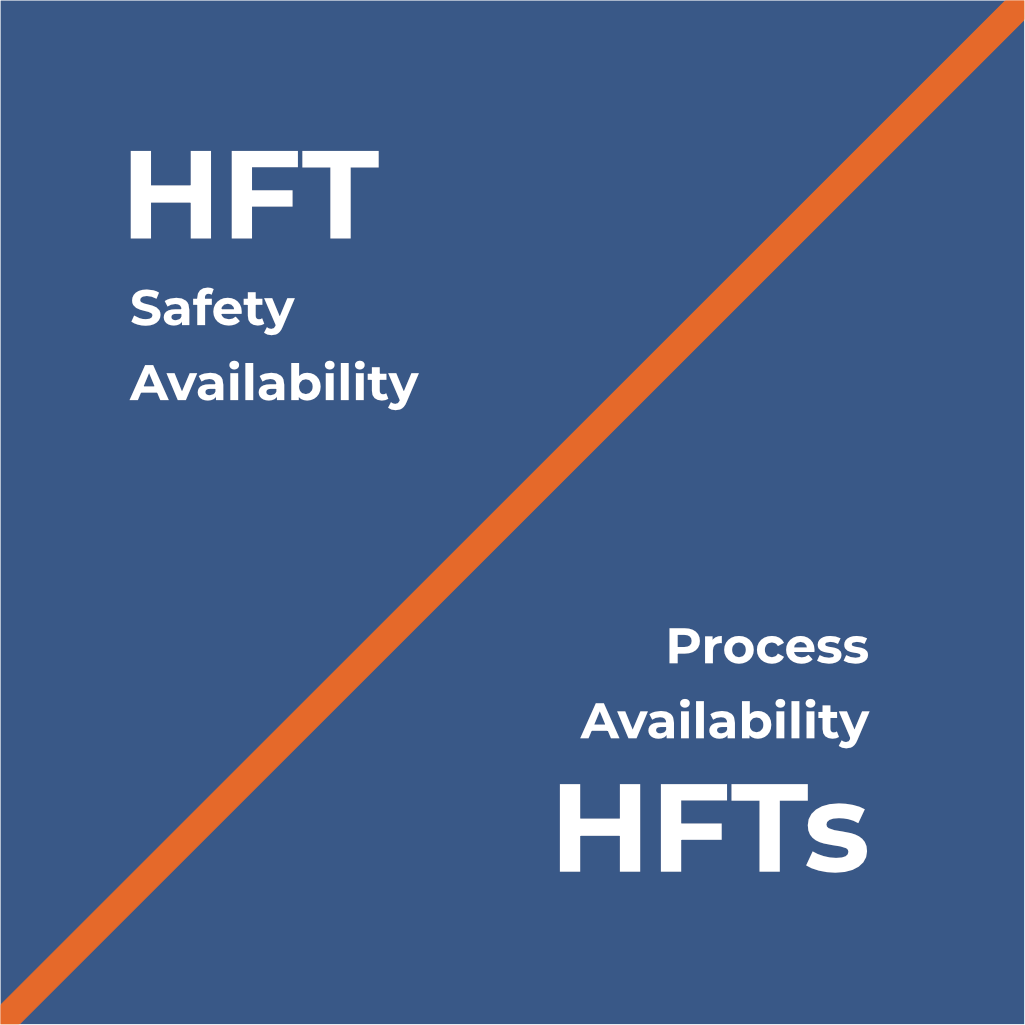
In safety-critical industries, balancing safety and availability is essential. Whether you’re in oil and gas, chemical processing, or power generation, your systems must be both safe and reliable. While most engineers focus heavily on safety integrity, process availability is equally important.

This is why we at Risknowlogy invented the Spurious Trip Level (STL)—to help companies measure and control the risk of unnecessary system shutdowns. In this article, we'll explain why spurious trips are not just an inconvenience but a significant safety risk, and how STL can help optimize both safety and reliability.
We use cookies
Cookie preferences
Below you may find information about the purposes for which we and our partners use cookies and process data. You can exercise your preferences for processing, and/or see details on our partners' websites.
Analytical cookies Disable all
Functional cookies
Other cookies
We use cookies to personalize content and ads, to provide social media features and to analyze our traffic. Learn more about our cookie policy.
Accept all Decline all Change preferences
Cookies